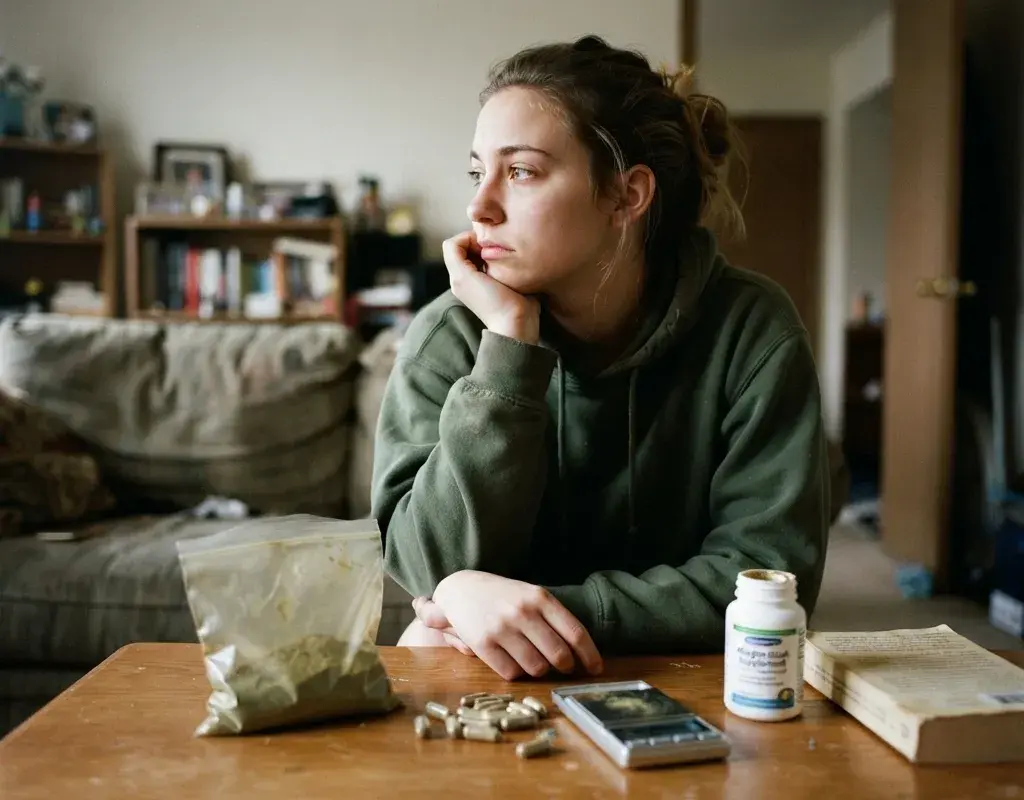
What started as a search for a natural alternative to anxiety medication turned into a devastating spiral for Hilary Tesluck. At twenty one, the Michigan resident was introduced to kratom capsules by a friend, hoping for a more holistic approach to her mental health. Initially, the effects seemed positive; as an undergraduate researcher and tutor, Tesluck felt a surge in productivity, confidence and energy. However, the perceived safety of a botanical supplement masked a creeping dependency that would eventually consume her life.
Over several years, Tesluck’s dosage climbed stealthily from four capsules a day to an staggering one hundred. The physical and professional toll was severe. She watched her career suffer as poor performance led to workplace reprimands, while her body wasted away, resulting in a forty pound weight loss that left her struggling to even stand in the shower. Because the substance was marketed as natural and remained legal in many areas, Tesluck found it incredibly difficult to acknowledge the depth of her addiction until she felt like a shadow of her former self.
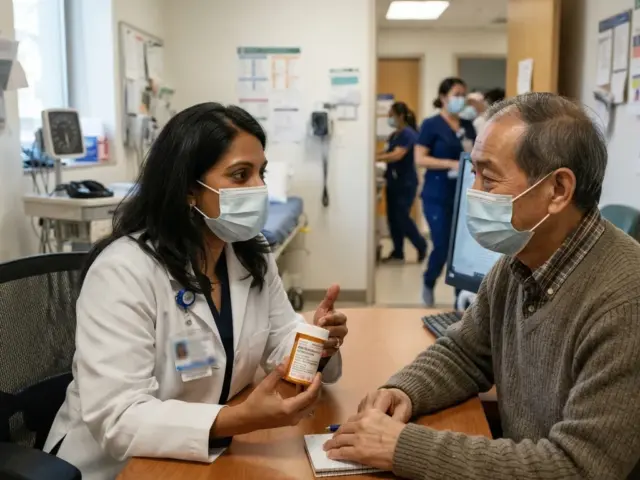
The road to recovery proved treacherous due to a lack of medical awareness regarding the substance. During an early attempt at treatment in 2020, Tesluck felt humiliated when clinic staff were unfamiliar with kratom and standard urine tests failed to detect its presence. It wasn’t until she joined an online recovery community in 2021 that she found solace among others sharing similar struggles. Even then, grief served as a trigger for future relapses, including a period where she used highly concentrated 7-OH products, which she describes as an intensified version of the same underlying problem.
Tesluck’s experience mirrors a broader national trend reported by the CDC, which saw kratom related calls to poison centers jump twelve hundred percent between 2015 and 2025. While industry groups argue that raw leaf kratom is distinct from synthetic concentrates, advocates like Tesluck warn against such distinctions for those prone to addiction. Now working to raise awareness and support others in recovery, she highlights the dangerous patchwork of state regulations that leaves many consumers without proper warnings or dosing guidelines on the products they purchase.