
For many people, the end of active cancer treatment does not mean the end of the struggle. While the final round of chemotherapy or radiation marks a medical milestone, it often ushers in a daunting period of recovery filled with lingering fatigue, anxiety over recurrence, and countless questions that cannot wait until the next scheduled doctor’s appointment. To address this critical void in care, researchers at the Sylvester Comprehensive Cancer Center are pioneering a new way to integrate artificial intelligence into the lives of survivors.
Led by Dr. Frank Penedo, director of Sylvester’s Survivorship and Supportive Care Institute, the team has introduced a comprehensive framework called Precision AI for Survivorship and Supportive Care. Rather than simply deploying software, this roadmap provides a rigorous structure for developing and scaling AI tools that prioritize patient safety and clinical oversight. The goal is to create a digital ecosystem where technology acts as a bridge between clinic visits, ensuring patients feel supported long after they leave the hospital doors.
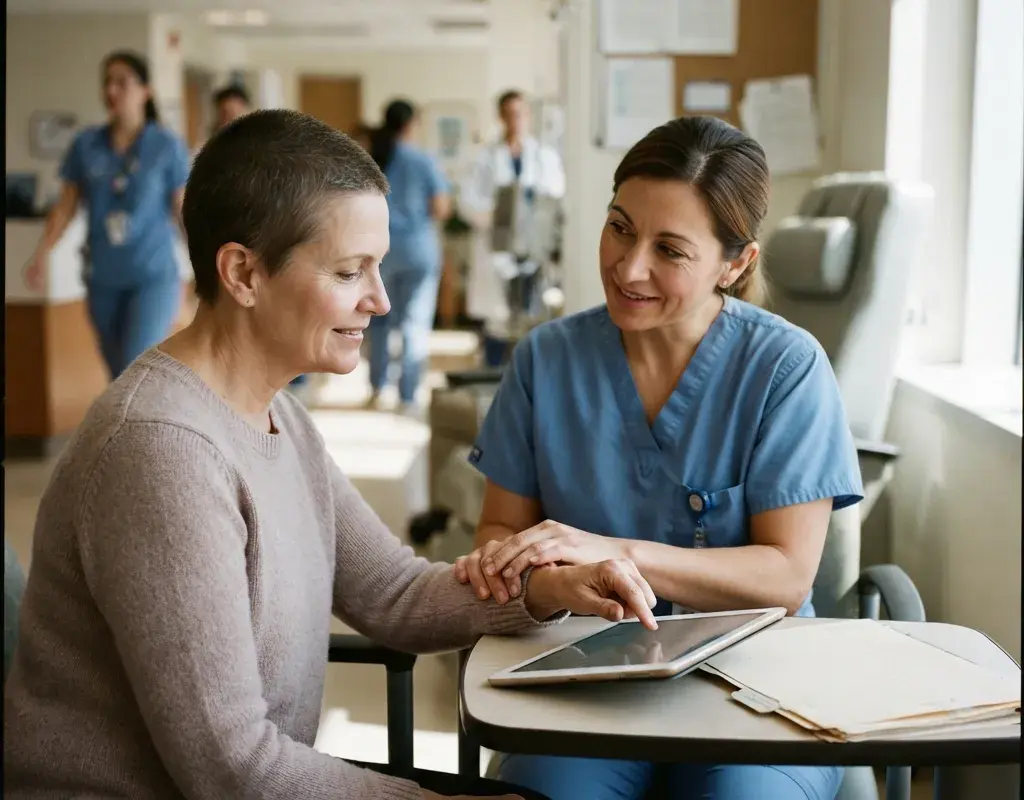
As part of this initiative, researchers are currently testing a proof-of-concept platform known as My Wellness Support specifically with breast cancer survivors. By analyzing patient reported outcomes alongside clinical records and behavioral data, the AI identifies specific risk patterns and delivers personalized, evidence based guidance on everything from nutrition to symptom management. Patients interact with an AI companion while their medical teams monitor progress via a dedicated dashboard, allowing doctors to intervene when necessary without replacing the essential human element of healthcare.
This innovation is built upon years of extensive data collection at Sylvester through its existing My Wellness Check program, which has gathered insights from tens of thousands of oncology patients. By applying machine learning to this massive dataset, researchers have already seen a twenty five percent improvement in predicting unfavorable health outcomes. By combining these predictive capabilities with real time support tools, Sylvester aims to transform survivorship from a lonely transition into a guided path toward wellness.