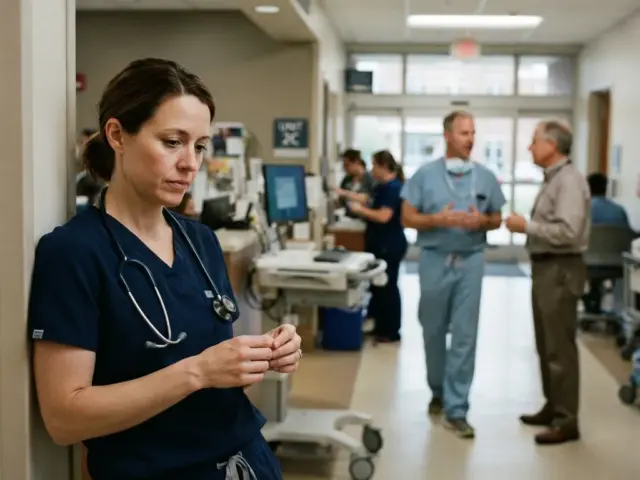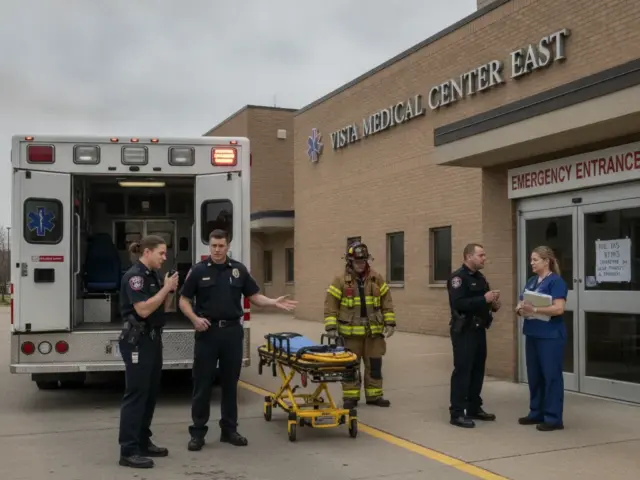
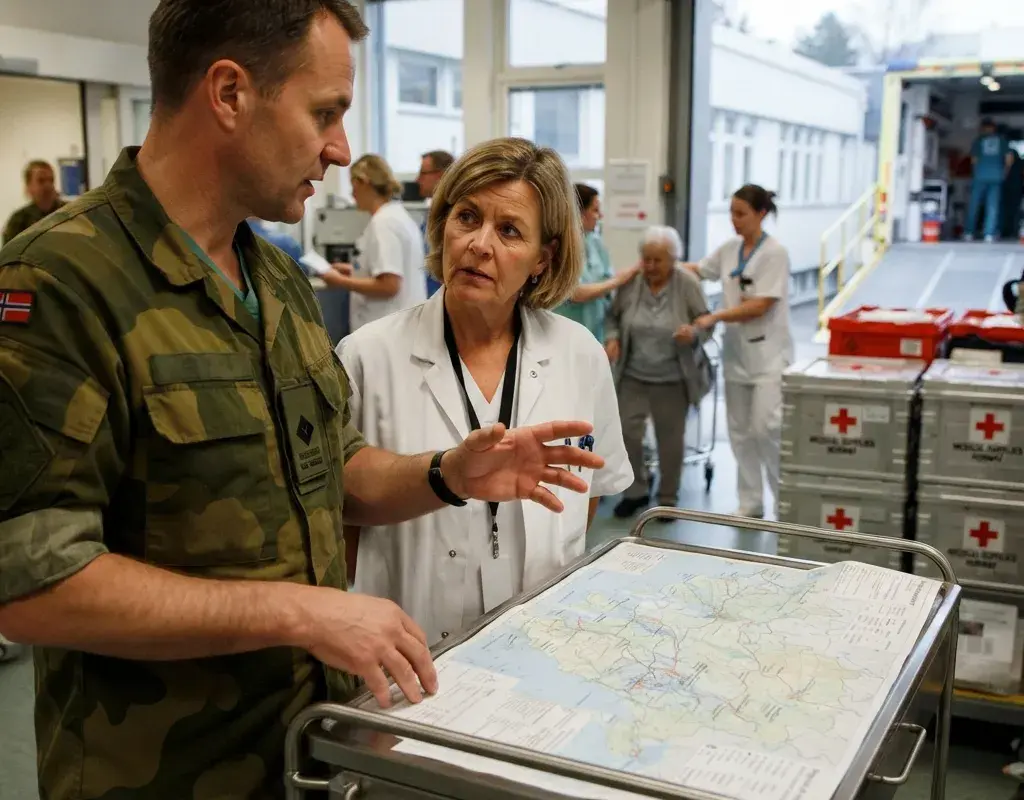
While European governments focus heavily on reinforcing NATO’s eastern flank and increasing defense spending, experts warn that a critical front remains dangerously neglected. The continent’s hospitals and public health systems are increasingly viewed as vital components of national security rather than mere social services. According to Brigadier General Petter Iversen, Norway’s Surgeon General, a resilient society depends entirely on a healthy one, meaning the ability to withstand adversary pressure relies on whether medical infrastructure can handle everything from conventional missile strikes to complex radiological threats.
The danger landscape is shifting rapidly due to the rise of artificial intelligence, which presents a double edged sword for biotechnology. While AI accelerates life saving medicine, it also provides malicious actors with the tools to engineer sophisticated biological agents. Laurent Muschel of the Health Emergency Preparedness and Response Authority warns that biosecurity must now move to the top of the political agenda. To counter these unpredictable threats, officials are pushing for better regulatory frameworks and the development of broad spectrum antivirals that can protect populations even before a specific pathogen is identified.
Preparedness across Europe remains unevenly distributed, with nations bordering Russia showing significantly higher situational awareness than those in the west. While some Nordic and Baltic states are expanding bed capacity, General Iversen suggests that physical infrastructure is only half the battle. He argues that healthcare systems must learn to pivot from peacetime specialization toward a more flexible, generalized approach capable of managing mass casualty events. This shift requires not only specialized training for medical staff but also a complete overhaul of supply chains to combine strategic stockpiling with a stronger local industrial base.
The ongoing conflict in Ukraine has served as a grim blueprint for these vulnerabilities, transforming theoretical risks into daily realities. The war has highlighted an urgent need for expanded trauma care and long term rehabilitation services, specifically for the thousands suffering from amputations. Moreover, the psychological toll on civilians and soldiers alike underscores that modern warfare demands a comprehensive mental health strategy alongside surgical readiness. For European leaders, the lesson is clear: medical resilience is no longer optional but a fundamental requirement for survival in an era of hybrid threats.