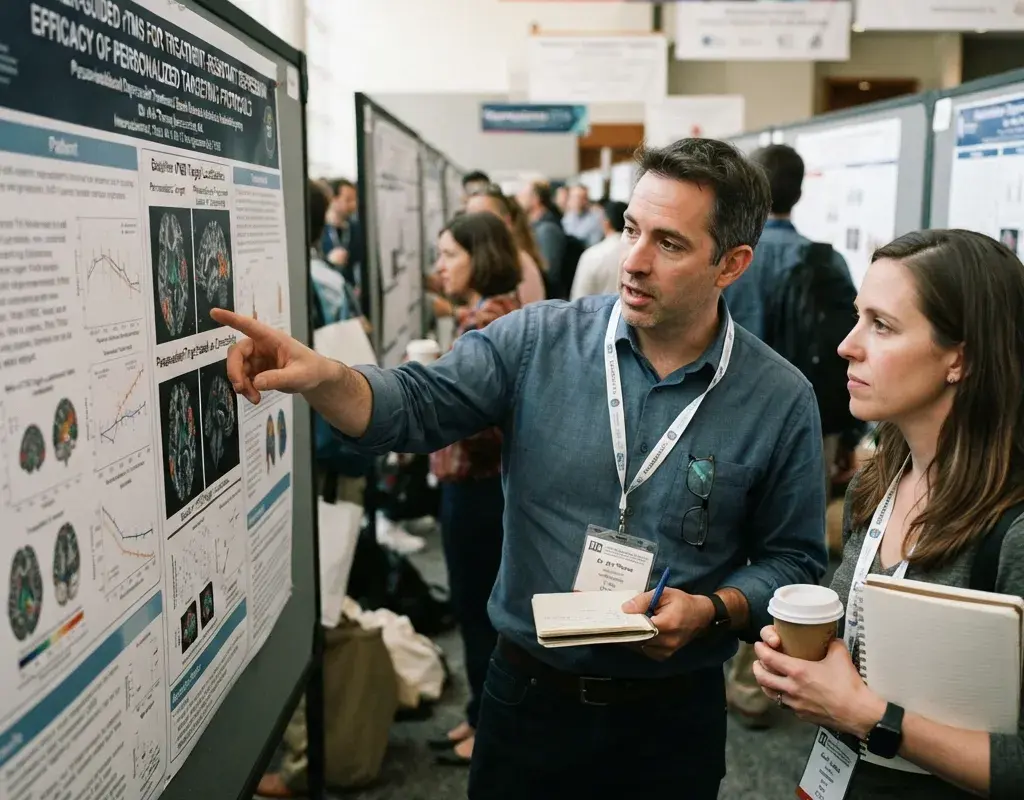
With global depression rates climbing, the medical community is shifting its focus toward personalized care and non traditional therapies. At the recent Neuroscience 2026 conference, the world’s largest gathering of brain scientists unveiled several breakthroughs aimed at moving away from a one size fits all approach to mental health. The findings suggest that the future of psychiatry lies in precision medicine, where biological markers and lifestyle factors dictate specific treatment paths for each patient.
One of the most promising developments involves the use of psychedelics like psilocybin and ketamine. While these substances have shown potential in treating resistant depression, they do not work for everyone. Research led by Tracy L. Bale from the University of Colorado Anschutz has identified specific markers in blood plasma that can predict whether a person will actually respond to these therapies. This discovery could spare patients months of trial and error by determining the effectiveness of a drug before it is ever administered.
The conference also highlighted how mindful interventions and physical health physically reshape the brain. Roma Kidambi of Stony Brook University found that adolescents using online mind body interventions showed actual changes in their brain structure, specifically a decrease in gray matter volume within the cingulate cortex that correlated with fewer depressive symptoms. Meanwhile, Meredith Braskie from USC pointed out a surprising link between body mass index and brain tissue thickness in older adults, suggesting that metabolic health plays a significant role in how depression manifests biologically.
Moderating these discussions was Dr. Eric Nestler, a leading figure in depression research from Mount Sinai, who emphasized that these discoveries represent major strides toward targeted healing. By connecting blood chemistry, imaging technology, and lifestyle metrics, researchers believe they are finally cracking the code on why different people react differently to various treatments. These insights offer hope for millions seeking alternatives to standard antidepressants through more scientific, tailored recovery plans.