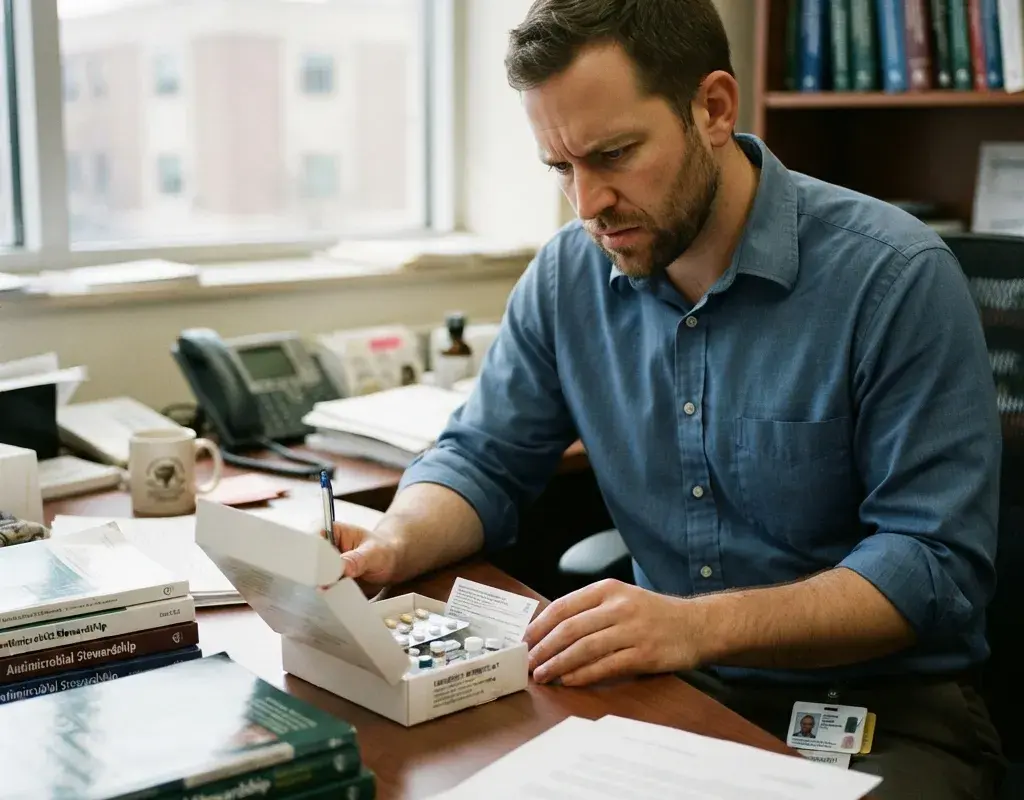
Wesley Kufel, a clinical professor of pharmacy practice at Binghamton University, first noticed the problem while watching a television commercial. An advertisement promised urgent care at home via a mail order kit containing seven different antimicrobial drugs, accessible after filling out a simple medical history form. To most viewers, it might look like convenient preparedness, but to a specialist in infectious diseases and antimicrobial stewardship, it looked like a looming public health crisis.
In a recent paper published in Clinical Infectious Diseases, Kufel details the severe risks associated with these direct to consumer emergency kits. These packages encourage patients to self diagnose their illnesses and treat them without any formal clinical evaluation or testing. Kufel argues that this approach fosters dangerous misconceptions, leading people to believe that antibiotics can treat viral infections like the common cold, which they cannot. Beyond individual misuse, this trend threatens global health by accelerating antimicrobial resistance.
The lack of professional oversight creates several immediate hazards for the user. Without a doctor’s guidance, patients risk severe drug interactions and adverse side effects. Kufel specifically pointed to the inclusion of compounded ivermectin in some kits, noting that its promotion as a Nobel Prize winning tool could lead users to treat conditions like COVID 19 despite evidence showing no clinical benefit. He warned that such unsupervised use could result in neurological issues ranging from confusion to seizures.
Adding to the danger is the fact that these kits are typically cash purchases not covered by insurance, meaning there is virtually no regulatory trail or physician notification when they are bought. Many pharmacists may be completely unaware that their patients have stockpiles of powerful medications at home. Because the instructional language is often written for medical professionals rather than laypeople, Kufel fears patients will struggle to understand when or how to use the drugs safely.
Ultimately, Kufel believes it is essential for healthcare providers and pharmacists to counteract these persuasive marketing narratives. He urges anyone tempted by the convenience of an at home kit to instead seek supervised care from a licensed professional. By bringing this issue into the spotlight, he hopes to protect patients from making life altering mistakes based on an advertisement promising shortcuts to healthcare.