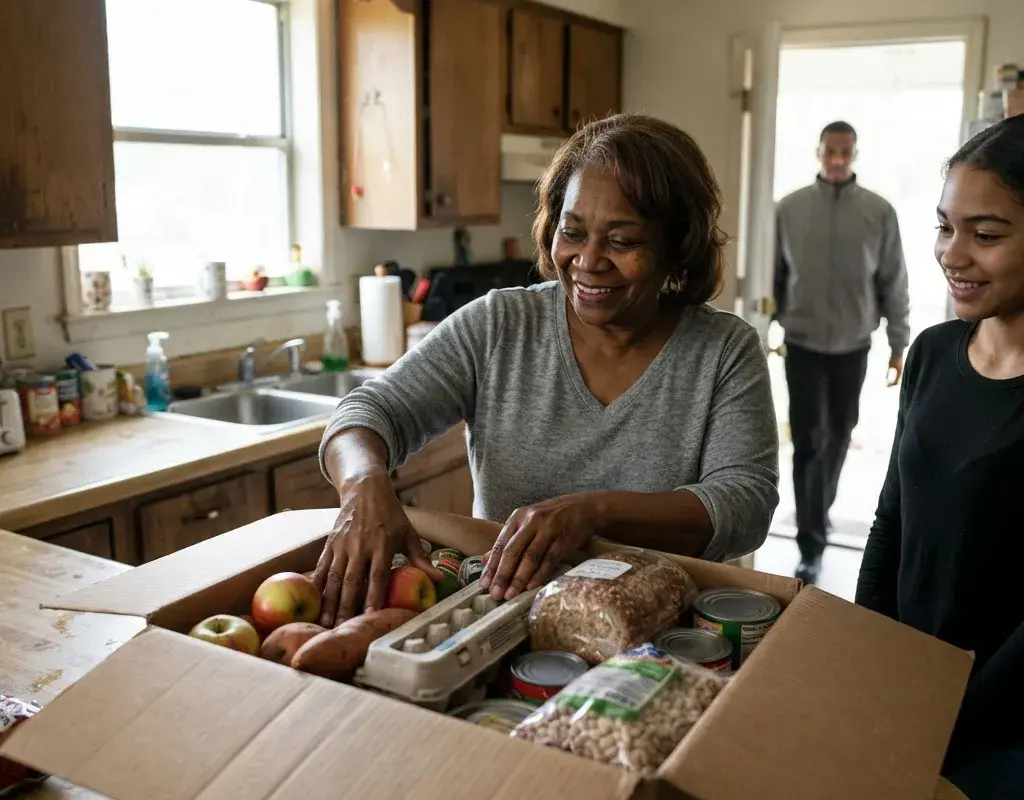
North Carolina is preparing to bring back its ambitious Healthy Opportunities Pilots program in early 2027, though the revived version will be a fraction of its former self. Once a sweeping effort to tackle various nonmedical hurdles like unstable housing and lack of transportation, the program has been streamlined into a targeted fight against hunger. Backed by roughly 25 million dollars in combined state and federal funding, the updated initiative will focus exclusively on delivering food boxes to eligible Medicaid beneficiaries.
The narrow scope marks a significant departure from the program’s debut in 2022, when it stood as the nation’s first comprehensive attempt to use Medicaid funds for broad social needs. While the original iteration served over 40,000 people across 33 counties, it ground to a halt in mid 2025 after the state legislature failed to allocate further money. This gap left many vulnerable families without essential resources and stripped local food suppliers of vital income, creating a void that officials hope this relaunch will finally fill.
To qualify for the new phase of the program, participants must reside in specific pilot regions and face documented food insecurity while also meeting certain medical criteria. Specifically, the service is reserved for those who are pregnant or living with cardiovascular disease or diabetes. Laurie Stradley, CEO of Impact Health, emphasized that these deliveries won’t be generic packages but will be tailored to health needs, ensuring someone with gestational diabetes receives nutrients that support a healthy pregnancy rather than high carb fillers.
While public health experts acknowledge that nutrition is a cornerstone of wellness, some worry that adding strict medical requirements moves the needle away from true preventative care. Despite these concerns, researchers point out that previous iterations of the program successfully reduced emergency room visits and overall Medicaid reliance. For organizers like Sonya Jones of Caja Solidaria and administrators like Stradley, the immediate goal is simply getting food back onto tables, viewing this leaner launch as a necessary foundation for potentially regaining broader services in the future.