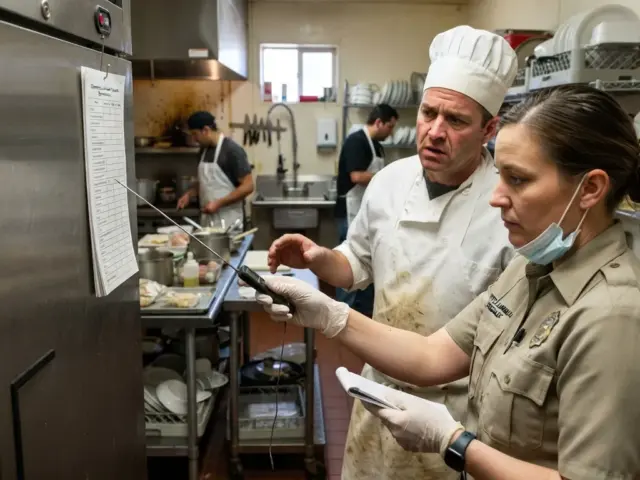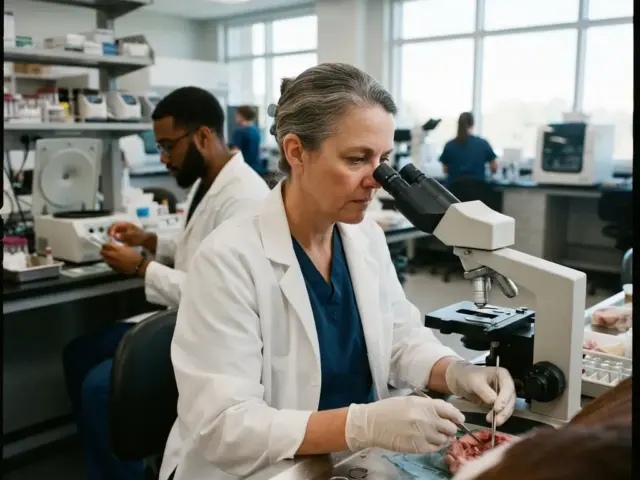
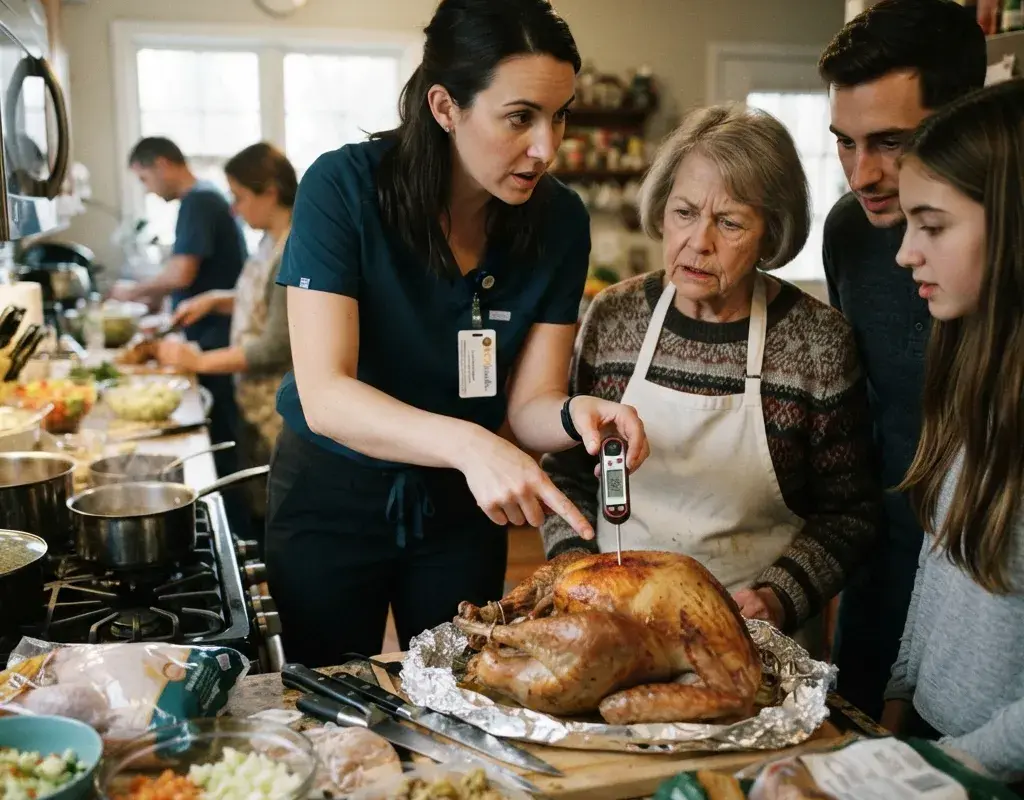
While a roasted turkey with stuffing is the centerpiece of many holiday celebrations, it can easily become a vehicle for illness if handled incorrectly. With roughly 48 million cases of foodborne illness reported annually in the United States according to the USDA, experts warn that festive gatherings require extra vigilance. Samantha Haswell, a registered dietitian at VCU Health who works with immunocompromised oncology patients, emphasizes that strict food safety isn’t just for medical patients but should be a priority for every home cook looking to protect their guests.
Preventing outbreaks starts with basic hygiene and smart prep work. Experts recommend washing hands thoroughly before cooking and immediately after touching raw meats, noting specifically that soap and water are necessary to kill norovirus since hand sanitizers are ineffective against it. To avoid cross-contamination, cooks should utilize separate knives and cutting boards for produce and animal proteins and ensure all vegetables are washed regardless of whether they were pre-cleaned by the manufacturer. When it comes to thawing larger cuts of meat like turkey, the safest bet is slow refrigeration on a bottom shelf to ensure the food never enters the temperature range where bacteria thrive.
One of the biggest risks during parties is the danger zone, which refers to temperatures between 40 and 140 degrees Fahrenheit where bacteria multiply rapidly. This makes timing critical for appetizers like charcuterie boards or custard-based desserts, which should not sit at room temperature for more than two hours. While warming trays and ice bowls can extend these windows by keeping foods outside that risky middle ground, anything left unattended too long becomes a gamble. By refrigerating leftovers promptly and reheating dishes thoroughly, hosts can ensure their celebration remains focused on family rather than food poisoning.